
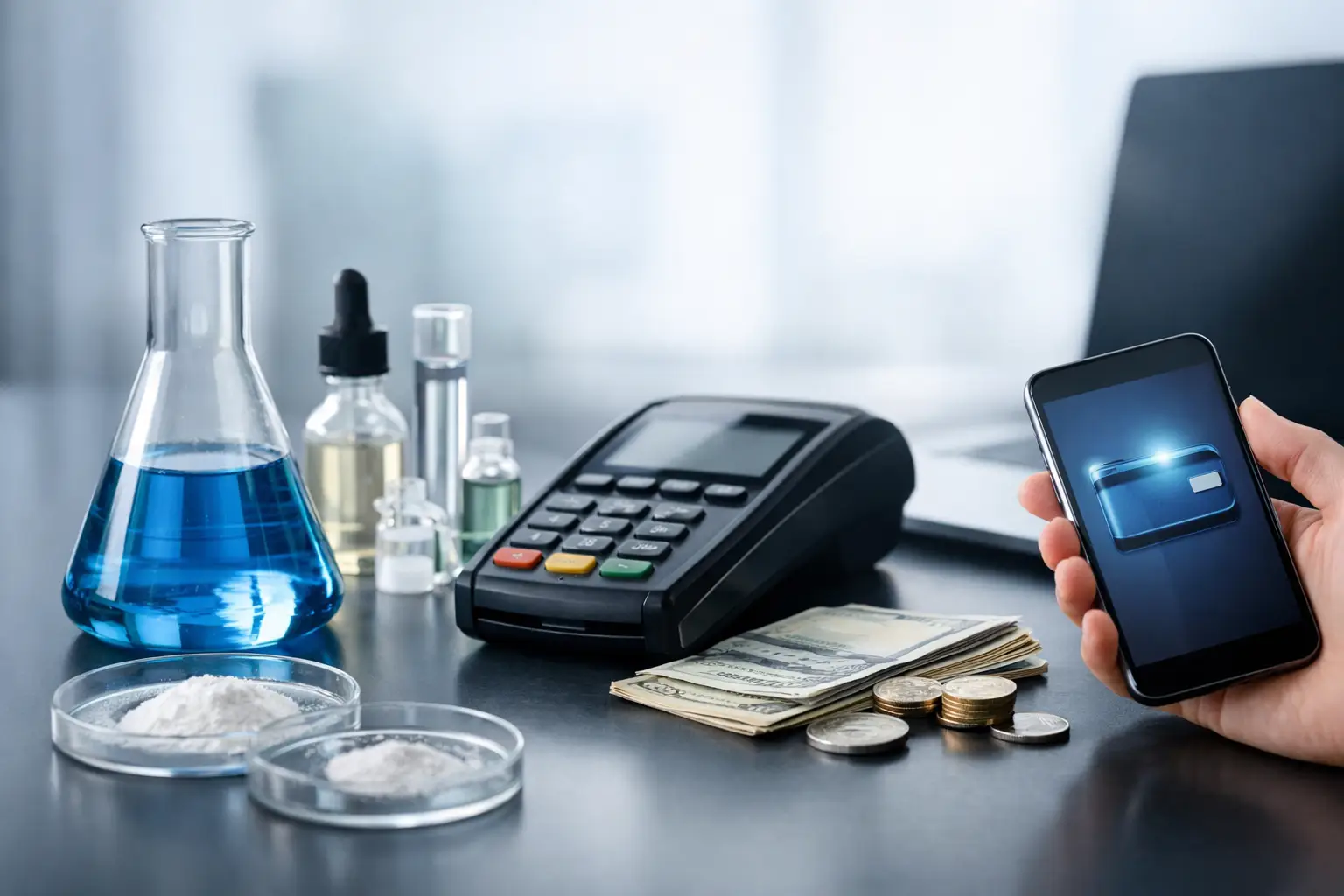
A failed payment at checkout usually means one of three things – delay, extra exposure, or a missed order window on a product that may not stay in stock for long. That is why the best research chemical payment methods are not simply the ones that look convenient on paper. They are the ones that balance privacy, processing speed, acceptance rate, and low friction when you actually need an order placed quickly.
For buyers in this market, payment choice is part of risk management. You are not picking a method in isolation. You are judging how it interacts with order speed, bank behaviour, privacy expectations, refund handling, and whether the supplier can process it without manual back-and-forth. A method that seems ideal for anonymity can be slower to confirm. A method that clears instantly can leave a more obvious banking trail. The right option depends on what you value most in that specific order.
What makes the best research chemical payment methods?
The useful way to judge payment options is practical rather than theoretical. Can the payment be completed without the bank blocking it? Does it process fast enough for same-day dispatch cut-offs? Is it easy to verify? Does it expose more personal information than necessary? And if there is a stock issue or order amendment, can the supplier handle the adjustment without turning the process into an email chain?
For most buyers, four factors matter most: privacy, speed, reliability, and cost. Reliability is often underrated. A payment method is only good if it works consistently at the point of purchase. A card that triggers fraud checks every other order is less useful than a bank transfer that always lands properly, even if it takes a bit more attention.
Card payments: fast, familiar, not always ideal
Card payments remain popular because they are quick and familiar. Most buyers know how they work, checkout takes minutes, and approval can be immediate. If the supplier supports them properly, cards reduce friction and help secure time-sensitive orders before stock moves.
The downside is obvious. Cards are usually the least private option. Banks and card issuers may flag transactions, impose verification checks, or decline payments based on merchant category risk, region, or internal anti-fraud rules. That does not always mean a problem with your account. Sometimes it just means the payment route is more sensitive.
Cards suit buyers who prioritise speed and simplicity over anonymity. They are strongest when the supplier has stable processing and clear checkout instructions. They are weaker for buyers who have already seen issuer blocks, repeated declines, or unwanted transaction scrutiny.
Bank transfer: dependable and often underrated
For many experienced buyers, bank transfer is one of the best research chemical payment methods because it is straightforward and usually accepted with fewer processor-related interruptions. It also tends to work well for larger orders where card limits or fraud triggers can become a nuisance.
That said, bank transfer is not always the fastest route from the buyer side. You may need to enter payment details manually, include the correct reference, and wait for receipt confirmation. If you mistype a reference or send from a different account name, the process can slow down. It is dependable, but it rewards accuracy.
Privacy here is mixed rather than absolute. A bank transfer avoids card processor issues, but it still creates a banking record. For some buyers, that is acceptable because the trade-off is a smoother approval rate. For others, it is too visible. It depends on whether your main concern is speed of acceptance or minimising account-level transaction visibility.
Cryptocurrency: stronger privacy, more buyer responsibility
Crypto is often the first method people think of when discussing privacy-focused checkout. In many cases, that reputation is justified. Used properly, cryptocurrency can reduce direct personal exposure and avoid the interruptions common with mainstream banking rails. It can also be processed quickly, especially when both buyer and seller are set up for it.
But crypto is not effortless. It places more responsibility on the buyer. Wallet errors, network fees, wrong-chain transfers, and underpayments due to volatility can all create avoidable delays. If you are not comfortable checking addresses carefully and confirming amounts before sending, crypto can become less convenient than it first appears.
Another trade-off is reversibility. Crypto payments are usually final. That is useful for merchants and often helps keep the checkout process efficient, but buyers must pay closer attention before confirming. The method suits people who want stronger privacy and already understand how to use digital assets properly. It is a weaker fit for first-time buyers who want hand-holding at checkout.
Payment links, e-wallets, and local methods
Some suppliers also offer payment links, app-based checkout, or local payment methods depending on region. These can work well when they reduce friction and improve approval rates, especially for customers who want a familiar domestic route rather than an international card transaction.
The value of these methods comes down to two points: whether they are stable, and whether they fit your country’s banking habits. A local option that clears quickly in your region may be far better than a global option that triggers extra checks. On the other hand, some e-wallets create another layer of account verification and can reduce privacy rather than improve it.
This is why there is no universal winner. The best option is often the one that works reliably where you are, with the fewest interruptions between checkout and dispatch.
How to choose the right method for your order
If privacy is your top concern, crypto will usually be near the top of the list, provided you know how to use it correctly. If reliability and fewer processor declines matter more, bank transfer can be the better choice. If you want the quickest, most familiar route and you have a cooperative bank, card payment may still be the simplest option.
Order size matters too. Smaller repeat purchases often favour speed and convenience. Larger orders make buyers more sensitive to fees, transfer limits, and confirmation reliability. Timing matters as well. If you are ordering close to a dispatch cut-off, a payment method that requires manual review may not be ideal, even if it offers better privacy.
It is also worth thinking about your own tolerance for admin. Some buyers are happy managing wallets, confirmations, and references. Others want a checkout that takes two minutes and is done. The best method is not the one with the most technical advantages. It is the one you can use correctly every time.
Common payment mistakes that slow orders down
Most payment problems are caused by simple avoidable errors rather than anything sophisticated. Sending the wrong amount, choosing the wrong network for a crypto transfer, forgetting an order reference on a bank payment, or using a card that routinely triggers verification can all delay dispatch.
Another common issue is switching methods mid-order without checking with support first. That creates reconciliation problems and can leave an order sitting unconfirmed. If a supplier offers clear payment instructions, follow them exactly. In this category, smooth checkout is usually about precision, not guesswork.
Buyers should also avoid assuming that the most anonymous option is automatically the most efficient. A private payment that is sent incorrectly is less useful than a more standard payment that confirms at once and gets the parcel moving. Speed only helps if the payment lands cleanly.
Why supplier setup matters as much as payment type
Even the strongest payment method can be frustrating if the supplier handles it badly. Clear instructions, prompt confirmation, accurate order matching, and responsive support all affect whether a payment method feels efficient. That is why checkout quality matters just as much as the payment option itself.
A specialist retailer such as DrSupply benefits from offering multiple routes because buyers in this market do not all have the same priorities. Some want the fastest possible checkout. Some want stronger privacy. Some simply want the method least likely to be blocked. Multiple payment options reduce failure points and let customers choose what fits their situation instead of forcing a single route.
The smart approach is to treat payment as part of the overall ordering process, not a final box to tick. If a method supports discreet purchasing, processes without needless friction, and helps your order move straight to fulfilment, it is doing its job.
The best payment method is usually the one that matches your priorities without creating new problems. Pick the route you can complete confidently, follow the instructions exactly, and give as much attention to checkout reliability as you do to price or stock.

